


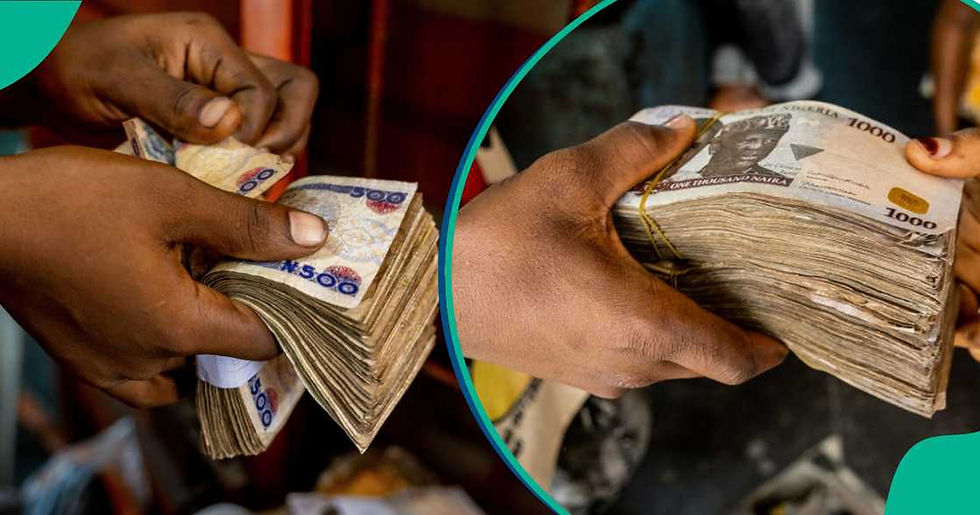


CBN EASES TRAVEL ALLOWANCE RESTRICTIONS — NAIRA STILL POSTS WEEKLY LOSS DESPITE LIQUIDITY RISE
PTA and BTA cashless policy partially relaxed; naira weekly loss signals demand-side pressure persists The Central Bank of Nigeria has partially relaxed its 2024 cashless policy restrictions on Personal Travel Allowance and Business Travel Allowance, easing the process by which Nigerians and businesses can access foreign currency for legitimate international travel and business-related expenses. The CBN introduced tighter controls on PTA and BTA disbursements in 2024 as part
6 days ago1 min read


DIESEL COSTS ARE DRIVING UP PROPERTY PRICES IN NIGERIA, DEVELOPERS PASS COSTS TO BUYERS
New report links energy expenses to margin compression and rising sale prices across residential and commercial real estate Rising diesel costs are compressing developer profit margins and pushing property prices higher across Nigeria's real estate sector, according to a new report released this week, as the energy expenses embedded in both construction and building operations are increasingly passed on to buyers and tenants. The report identified growing diesel costs as a pr
6 days ago1 min read


FIRSTBANK LAUNCHES MULTI-CURRENCY VISA CARD, NAIRA, DOLLAR, EURO, POUND IN ONE WALLET
Visa Signature Card targets diaspora, importers, and international travellers; FirstBank named Nigeria's strongest brand First Bank of Nigeria has launched a multi-currency Visa Signature Card in partnership with Visa, enabling holders to hold and transact in naira, US dollars, euros, and British pounds sterling from a single card, a product aimed directly at Nigerians who travel internationally, conduct cross-border business, or regularly transact in foreign currencies. The
6 days ago1 min read
Comments