





BANKS EARN ₦225BN FROM ATM AND E-BANKING CHARGES IN THREE MONTHS — ACCESS HOLDINGS LEADS AT ₦85.5BN
Q1 2026 data: e-banking revenue up 12.56%; account maintenance charges hit ₦209bn; Fidelity Bank posts 164.9% growth Nigerian banks generated ₦224.69 billion from ATM transactions, card management fees, and electronic banking services in the first three months of 2026, sparking fresh concerns among customers who question why charges continue to rise even as banks post record revenues from digital services. Access Holdings led the industry by a significant margin, earning ₦85.
2 min read


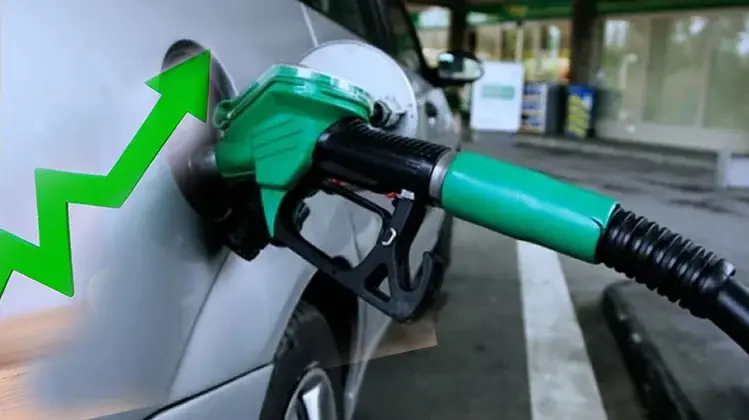
PETROL COULD FALL TO ₦900/LITRE AS US AND IRAN SIGN PEACE DEAL, HORMUZ SET TO REOPEN
Brent drops below $83 after ceasefire confirmed Sunday; Dangote cautions on timing due to existing crude stocks Petrol prices in Nigeria could drop to as low as ₦900 per litre in the coming days following the signing of a peace agreement between the United States and Iran on Sunday, which triggered a sharp decline in global crude oil prices and set in motion plans to reopen the Strait of Hormuz. Brent crude futures fell 4.8% to $83.10 per barrel as markets reacted to the US-I
2 min read


BENUE STATE SIGNS ELECTRICITY LAW — BECOMES LATEST STATE TO CLAIM POWER SECTOR INDEPENDENCE
Governor Alia signs bill into law; state joins growing list pursuing electricity autonomy under constitutional amendment Benue State Governor Hyacinth Alia has signed the Benue State Electricity Law into effect, formally establishing the state's independent electricity regulatory framework and making Benue the latest Nigerian state to exercise its constitutional authority over its own power generation, transmission, and distribution. The signing follows months of legislative
1 min read
Comments